
AGE-C in Paris: Bringing Our Research Together
What kinds of lives does European cinema imagine for older people? Who gets to remain visible, whose stories take centre stage, and how do gender, work, sexuality and care shape these representations?
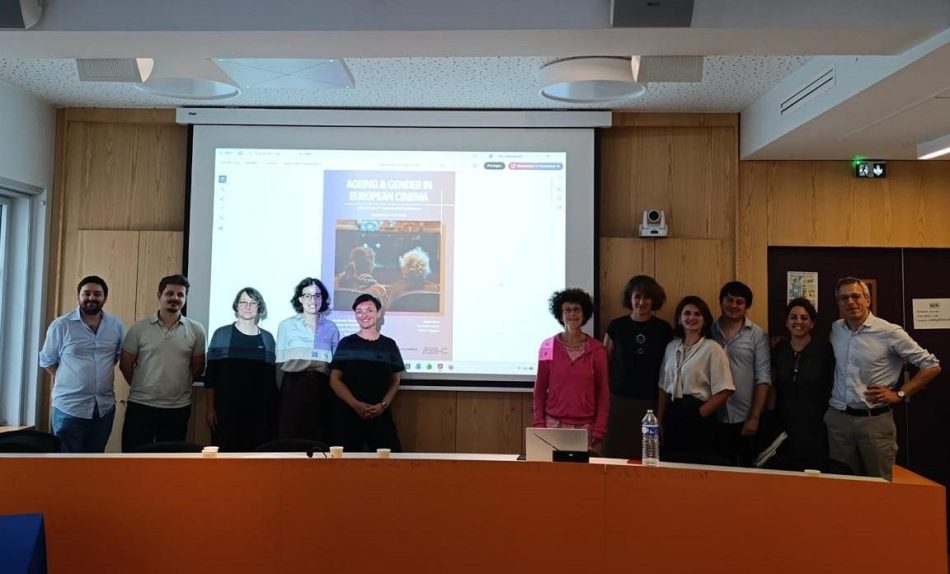
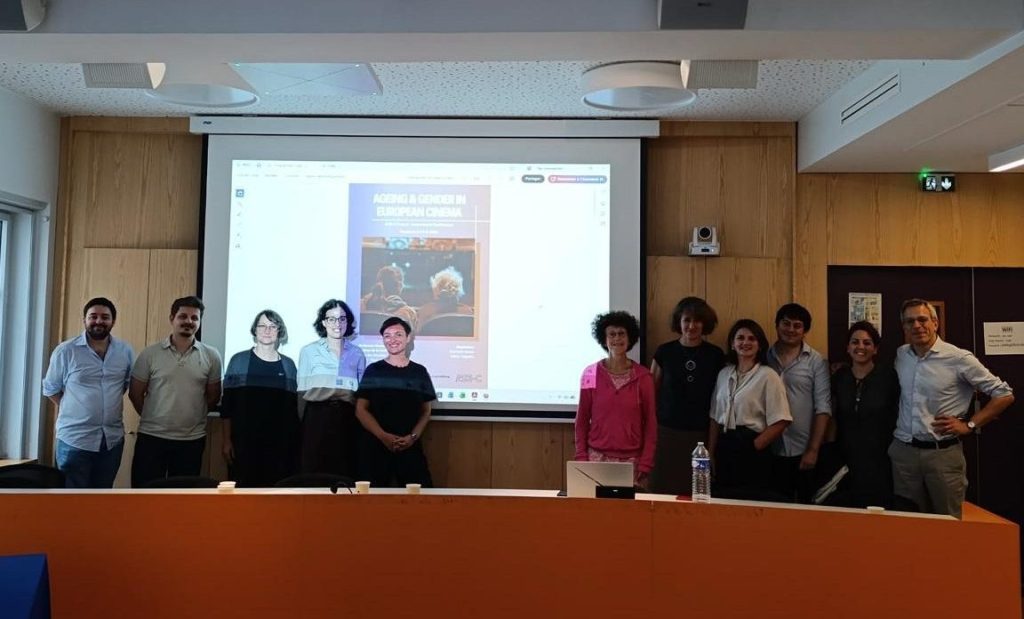
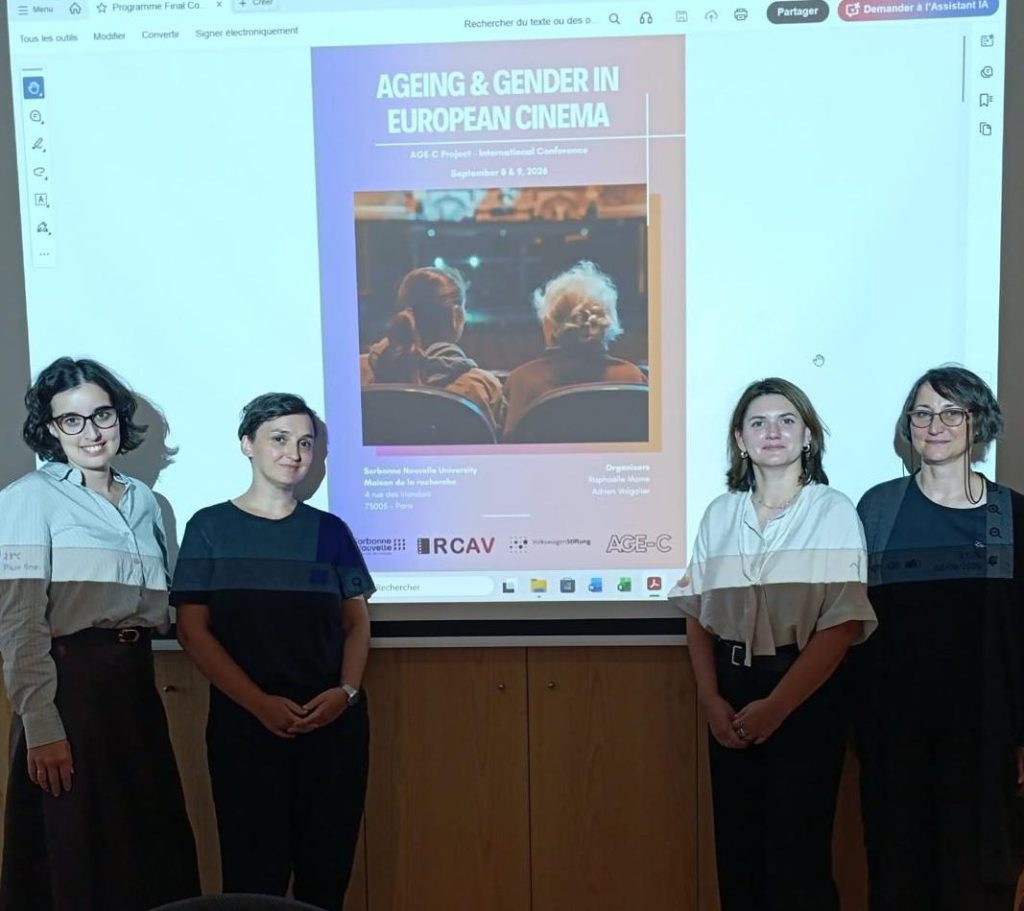
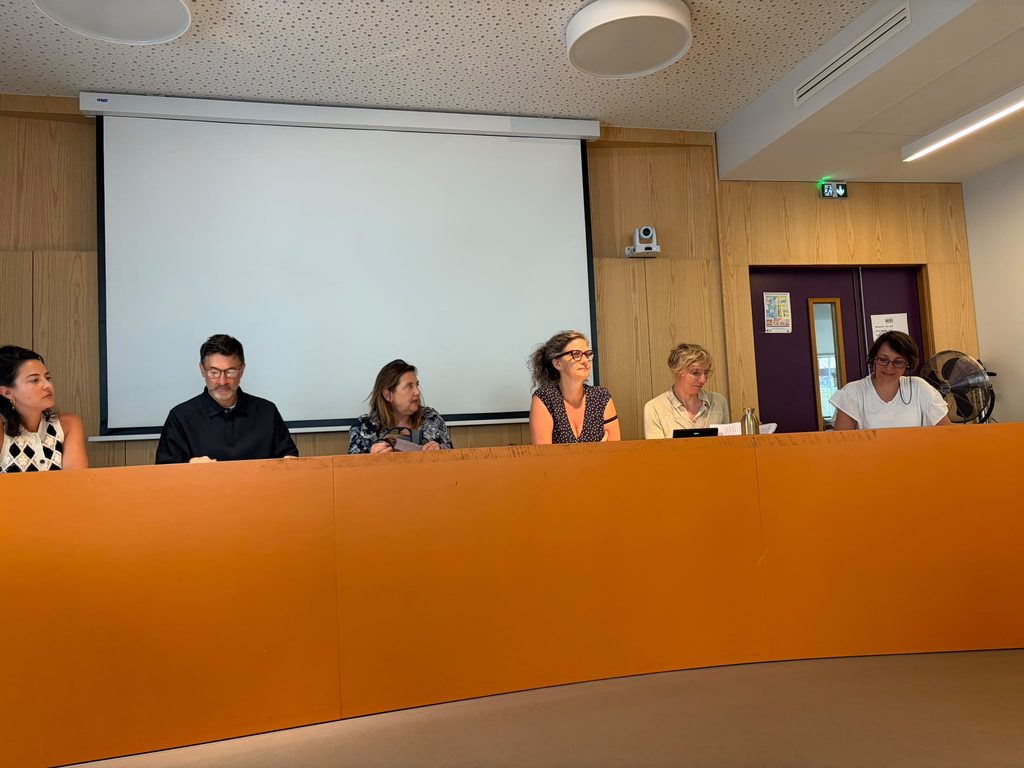
On 8–9 September 2026, these questions brought the AGE-C team and invited researchers and film professionals together at Sorbonne Nouvelle University’s Maison de la recherche in Paris. Organised by Raphaëlle Moine and Adrien Valgalier, the conference Ageing & Gender in European Cinema marked an important moment of collective reflection: an opportunity to bring together findings from several years of research, compare perspectives across national contexts, and discuss their implications with people working in the film industry.
The gathering had the reflective character of a concluding conference, while the project itself continues. Articles are still being written, journal issues are being edited, and book publications are in progress. Paris offered a chance to take stock of what we have learned and to consider the questions that will shape this ongoing work.
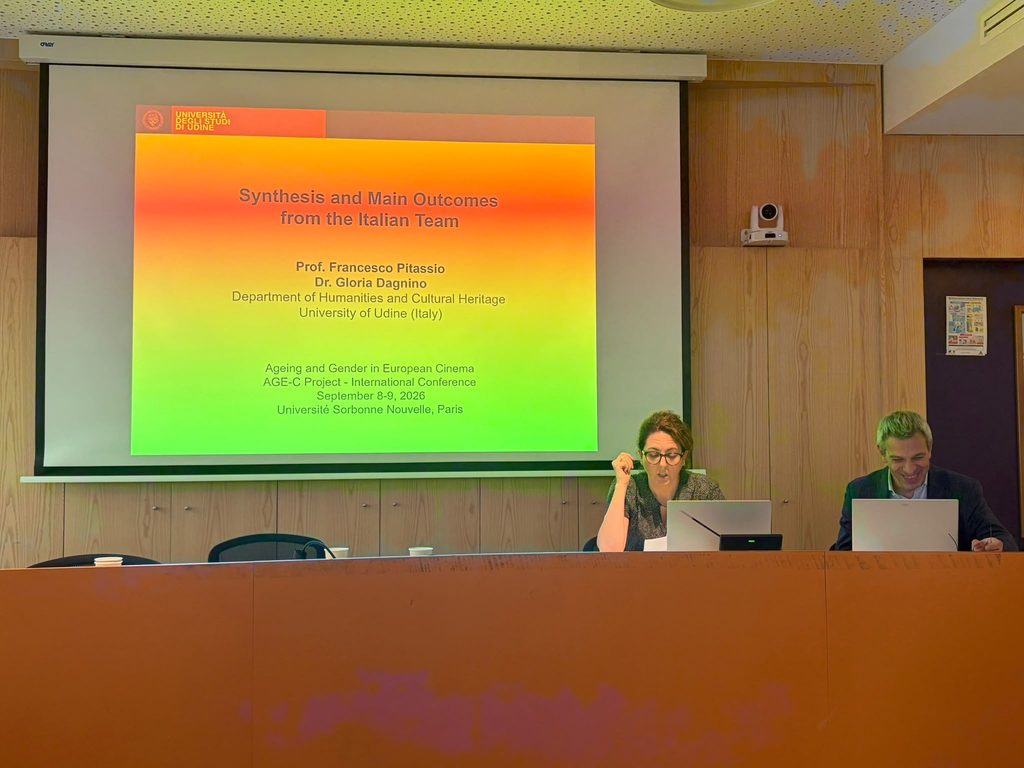
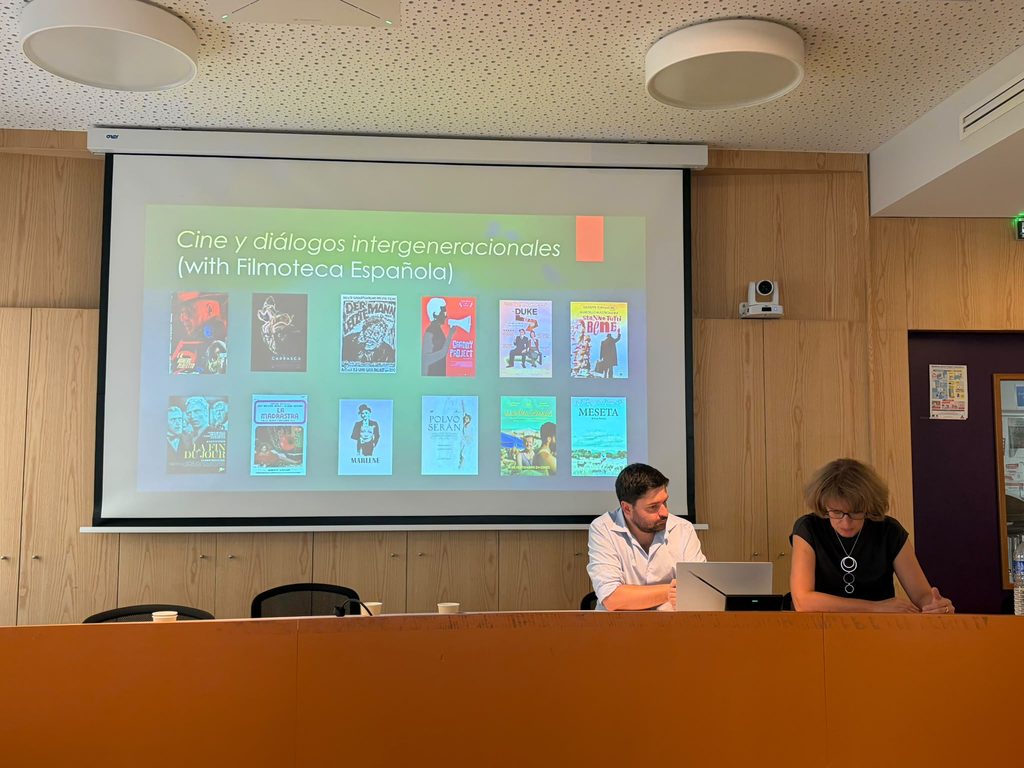
AGE-C brings together researchers from Goethe University Frankfurt, King’s College London, the University of Udine, Sorbonne Nouvelle University and Babeș-Bolyai University in Cluj-Napoca. A dedicated session on the national teams’ main outcomes made the value of this collaboration particularly clear. Studying ageing across different film cultures allows us to identify shared inequalities while remaining attentive to local histories, industrial conditions and cultural expectations.
The team presentations showed why that distinction matters. The UK research highlighted the prominence of older performers in commercially successful British films, particularly those drawing on national history, memory and cultural heritage. Yet this visibility remains uneven: older leading characters in the box-office sample were exclusively white and predominantly male and heterosexual. The findings raise an important question about how far the success of ageing stars translates into more inclusive representation.
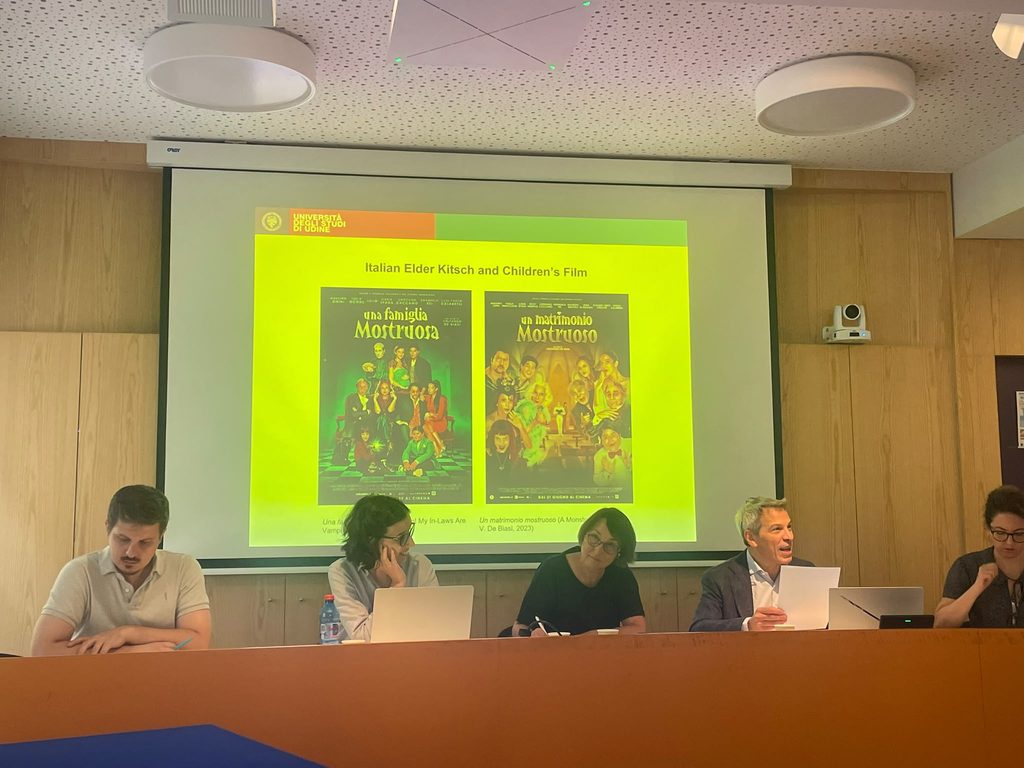
The Italian team likewise identified inequalities in the opportunities and recognition available to older performers. Its analysis of David di Donatello acting awards between 2014 and 2023 found a median age of 57 for male winners and 41 for female winners. Such differences help make visible the unequal professional timelines through which men and women are recognised on screen.
Research on Romanian and Hungarian cinema drew attention to the supporting roles frequently assigned to older adults. Parents and grandparents may embody authority, cultural memory or institutional power, while their own experiences of growing older receive less attention. These roles can offer routes to popularity and stardom, but often through recurring stereotypes. Together, the national perspectives encouraged us to look beyond visibility alone and examine the kinds of agency, complexity and narrative importance afforded to older characters.
The conference panels developed these questions through a wide range of films and approaches. Deborah Jermyn explored Emma Thompson’s ageing stardom, while Alexandre Moussa examined “grayface” and the performance of old age through bodily transformation. Gloria Dagnino and Francesco Pitassio considered the persistent association of older bodies with ugliness, ridicule or menace. These contributions invited reflection on how cinema constructs age through casting, performance and aesthetic conventions.
Other papers connected ageing to work and social value. Luis Freijo examined ageing hitmen and retirement anxieties, exploring how genre films give form to questions about usefulness, identity and life after employment. Olena Gepper’s presentation shifted attention to migrant care workers, asking why the people whose labour sustains later life so often remain marginal within cinematic stories about ageing. Asja Makarević further explored live-in care in German-language cinema, considering how comedy and documentary shape our understanding of dependency, cultural difference and inequality.
Desire and creativity also occupied a central place. Charles-Antoine Courcoux discussed representations of relationships between older women and younger men, while Raquel Medina examined queer ageing, sexual autonomy and institutional care in Maspalomas. Belén Vidal explored creative lives in later life, connecting cinematic narratives of artistic achievement with questions about productivity, vulnerability and changing identities.
The closing professional roundtable brought these concerns into conversation with casting, talent representation, acting and audiovisual production. Moderated by Andrea Virginás, it included representatives of the AAFA “Tunnel de la comédienne de 50 ans” commission, alongside other film professionals. This exchange connected the analysis of screen representations with the professional structures that help determine who gets cast and whose stories reach audiences.
Paris also provided an opportunity to reflect on the project’s work beyond academic publications. Film programmes, festival collaborations and public discussions, including the goEast symposium Omas, Babas, Babushkas, the SERCIA conference in Cluj-Napoca and the European Film Academy’s The Female Age programme, have brought AGE-C’s questions into dialogue with wider audiences.
That exchange continues alongside the research. Published work in NECSUS and Ekphrasis is being followed by further articles, editorial projects and book contributions. The Paris conference gave us a shared point of reference for this next phase: a clearer understanding of recurring patterns, the differences that matter across film cultures, and the experiences of ageing that still receive too little space on screen.
Our warm thanks go to the Paris organisers, all speakers and roundtable participants, and our colleagues across the consortium for making this a thoughtful and productive gathering.
Writte by: Olena Gepper
Images by: AGE-C Team