
The AGE-C project presented at the Università della Svizzera italiana in Switzerland
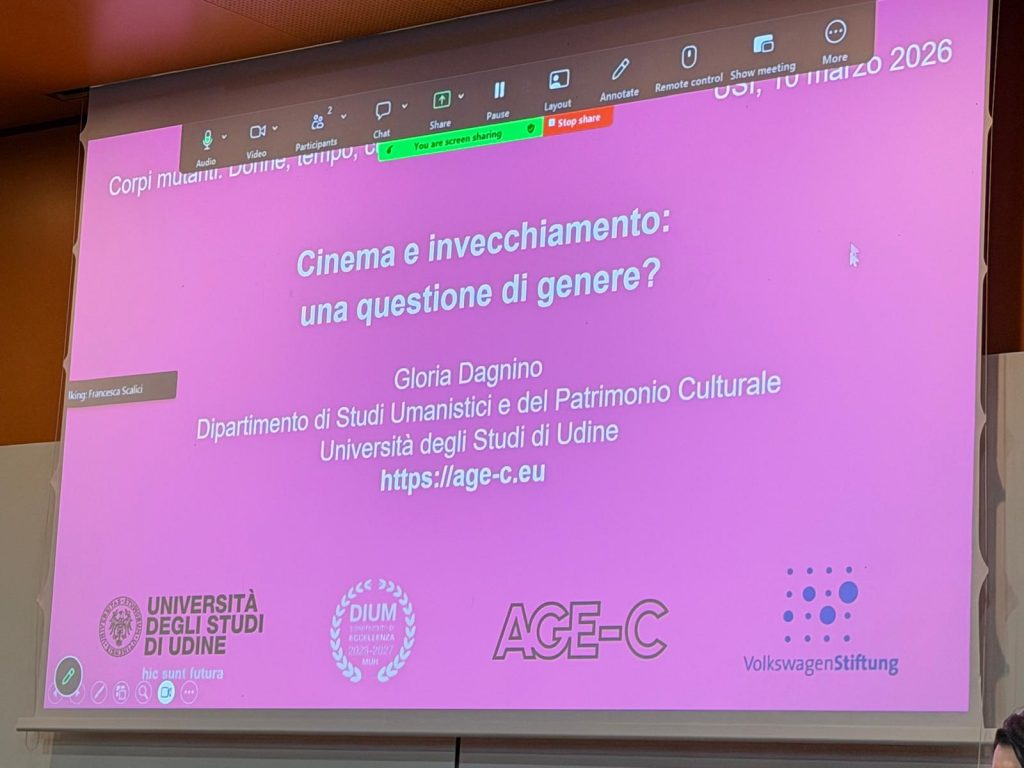
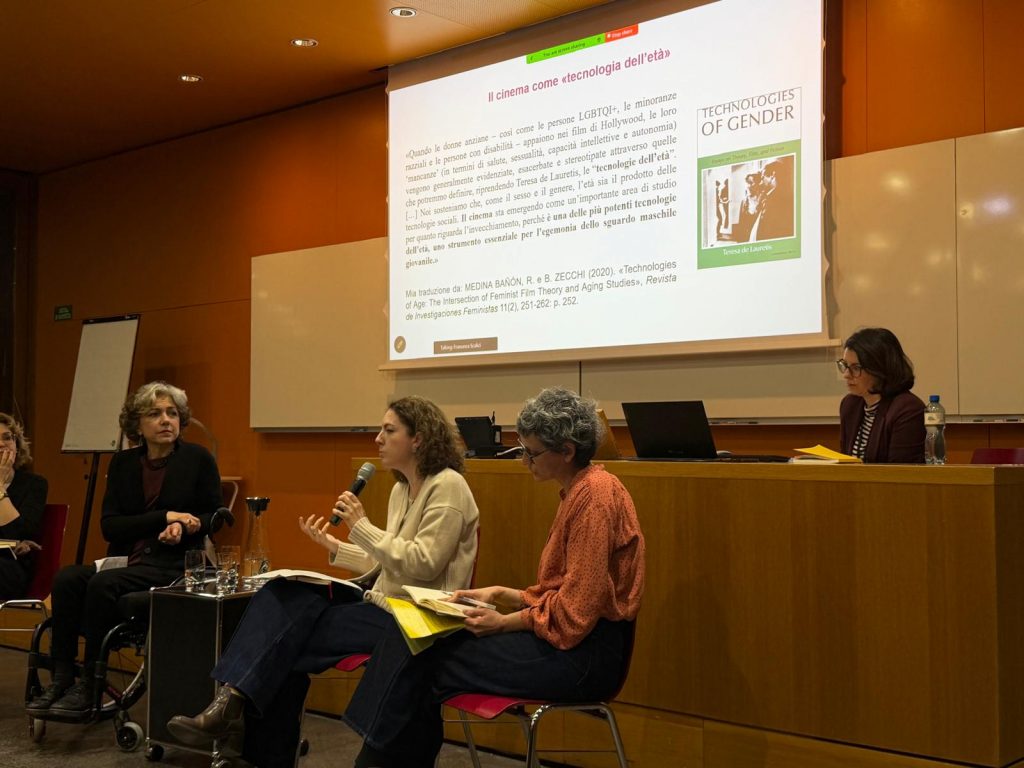
On the occasion of International Women’s Day 2026, Gloria Dagnino, a postdoctoral researcher with the Italian unit, has been invited to present the main findings of the AGE-C project at a public event held at the Università della Svizzera italiana (Lugano, Switzerland).
The event was titled ‘Corpi mutanti. Donne, tempo, cura’ (Changing bodies. Women, time, care) and it was organized by the University’s Equal Opportunities Service and the Institute of Italian Studies. Speakers included, in addition to Dr Dagnino, Dr Gloria Origgi, Italian philosopher working at the Centre national de la recherche scientifique (CNRS) in Paris, and Dr Alessandra Sarchi, art historian and author of numerous novels.
The event explored the body as a space of transformation, care, and resistance, where processes of change, norms, and meaning-making intersect in women’s and non-conforming bodies. Each speakers approached the topic from a specific perspective: Dr Origgi talked about the phenomenological aspects of the body as it changes during the menopause; Dr Sarchi focused her intervention on the experience of inhabiting the body as a foreign place, following a sudden disability.
Dr Dagnino’s talk explored the topic of changing bodies through the lens of the ageing process – and particularly women’s ageing – as it is representated across contemporary European cinema. Her intervention, titled ‘Cinema e invecchiamento: una questione di genere?’ (Cinema and ageing: a matter of gender/genre?) started with a discussion of the AGE-C database and its results showing that ageing female actors are given much less visibility than their male counterparts, across all the analysed production countries. Then, Dr Dagnino focused on a specific narrative use of the female ageing body, that of body-horror movies. Horror cinema has been frequently framing the female body has a site of monstrification following physiological changes like the start of menstruation, pregnancy, and menopause. Interestingly, resistance to ageing – or rather, resistance to the visible signs of ageing on the female body – has also inspired a specific line of films that go from the 1960 semi-obscure low-budget title The Leech Woman, to the recent and award winning The Substance. Dr Dagnino concluded her talk by arguing that female monstrosity in cinema is portrayed as the result of the body’s ‘natural’ changes and their social and cultural stigmatisation, but also of the ‘unnatural’ actions taken to avoid such changes and to conform the ageing body to social and cultural norms.
Writte by: Dr. Gloria Darnino
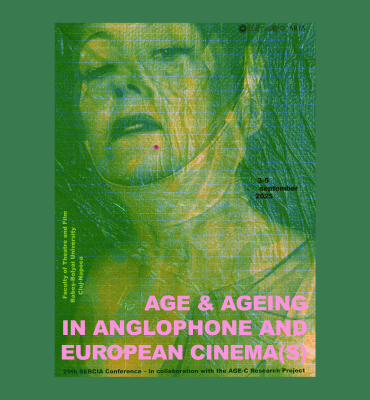
Image credid: Marilù Eustachio, Nove teste (2008).
All copyrighted materials included on this website are used for educational purposes in accordance with fair use guidelines.